Kickstart your cloud career with AWS certifications—the ultimate game-changer in tech. These credentials don’t just boost your resume; they validate real-world skills, open doors to high-paying jobs, and position you as a trusted expert in one of the world’s most dominant cloud platforms.
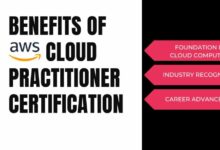


Why AWS Certifications Are a Career Game-Changer

AWS certifications are more than just digital badges—they’re proof of expertise in Amazon Web Services, the leading cloud platform powering over 1 million businesses globally. From startups to Fortune 500 companies, AWS is the backbone of modern IT infrastructure. Holding an AWS certification signals to employers that you’ve mastered critical cloud concepts and can deliver tangible results.
Industry Demand for AWS Skills
The demand for cloud professionals has skyrocketed. According to AWS’s official certification page, certified individuals are consistently among the most sought-after tech talent. LinkedIn’s 2023 Jobs on the Rise report listed cloud computing as the #1 skill in demand, with AWS expertise topping the list.
- AWS holds over 32% of the global cloud market share (Synergy Research Group, 2023).
- Over 80% of enterprises use AWS in some capacity.
- Certified AWS professionals earn up to 28% more than non-certified peers (Global Knowledge IT Skills and Salary Report).
ROI of Earning AWS Certifications
Investing in AWS certifications pays off—literally. The average cost of an AWS exam ranges from $100 to $300, but the salary bump can be thousands of dollars annually. For example, AWS Solutions Architects with certification report median salaries of $130,000+ in the U.S.
“Certification validates skills that are otherwise hard to prove. It’s a signal of commitment and competence.” — Jeff Barr, Former Chief Evangelist, AWS
Understanding the AWS Certification Hierarchy
AWS offers a structured certification path designed to guide professionals from beginner to expert levels. Each certification builds on the last, ensuring a logical progression of knowledge and skill. Whether you’re just starting out or aiming for mastery, there’s a clear roadmap waiting for you.
Foundational Level: AWS Certified Cloud Practitioner
This is the entry point for anyone new to AWS. The Cloud Practitioner exam tests your understanding of AWS Cloud fundamentals, including core services, billing, security, and compliance. It’s ideal for non-technical roles like sales, management, or finance who need cloud literacy.
- No prerequisites required.
- Covers AWS global infrastructure, security best practices, and total cost of ownership (TCO) calculations.
- Recommended for IT pros transitioning to cloud or students exploring tech careers.
Associate Level: Building Technical Expertise
At the associate level, AWS certifications dive into technical roles. There are three main paths: Solutions Architect, Developer, and SysOps Administrator. These are designed for professionals with at least one year of hands-on experience with AWS.
- AWS Certified Solutions Architect – Associate: Focuses on designing scalable, fault-tolerant systems on AWS.
- AWS Certified Developer – Associate: Validates skills in developing and maintaining AWS-based applications.
- AWS Certified SysOps Administrator – Associate: Emphasizes deployment, management, and operations on AWS.
Professional Level: Mastering Complex Architectures
The professional tier is for seasoned experts. These exams are challenging and require deep, hands-on experience. They’re not just about knowing services—they test your ability to solve complex, real-world problems.
- AWS Certified Solutions Architect – Professional: For architects designing large-scale, multi-account AWS environments.
- AWS Certified DevOps Engineer – Professional: Validates expertise in CI/CD, automation, monitoring, and infrastructure as code.
Specialty Certifications: Niche Mastery in AWS
Beyond the core path, AWS offers specialty certifications for professionals who want to go deep in specific domains. These are ideal for those already certified at the associate or professional level and looking to differentiate themselves in competitive fields.
AWS Certified Advanced Networking – Specialty
This certification is for network engineers who design and implement complex AWS networking architectures. It covers VPC design, hybrid connectivity (Direct Connect, VPN), DNS management, and advanced routing.
- Requires deep knowledge of BGP, IPv6, and network security.
- Ideal for professionals working in enterprise cloud networking roles.
- Exam includes scenario-based questions on troubleshooting and optimization.
AWS Certified Security – Specialty
Security is paramount in the cloud. This certification validates your ability to secure AWS workloads using best practices in identity management, data protection, logging, and threat detection.
- Covers AWS IAM, KMS, CloudTrail, GuardDuty, and Macie.
- Recommended for security analysts, compliance officers, and cloud security architects.
- One of the most respected AWS certifications in the infosec community.
AWS Certified Machine Learning – Specialty
For data scientists and ML engineers, this cert proves your ability to build, train, and deploy machine learning models using AWS services like SageMaker, Rekognition, and Comprehend.
- Requires knowledge of Python, ML algorithms, and data engineering.
- Exam includes case studies on model optimization and deployment pipelines.
- Highly valuable in AI-driven industries like healthcare, finance, and retail.
How to Prepare for AWS Certifications: A Step-by-Step Guide
Passing AWS certifications isn’t about memorization—it’s about understanding how services work together in real-world scenarios. A strategic approach increases your chances of success and reduces stress during exam day.
Step 1: Choose the Right Certification Path
Start by aligning your career goals with the right AWS certification. Ask yourself:
- Do I want to design systems? → Solutions Architect path.
- Am I building applications? → Developer path.
- Do I manage infrastructure? → SysOps or DevOps path.
Use the AWS Certification Prep page to explore role-based learning paths.
Step 2: Leverage Official AWS Training Resources
AWS provides free and paid training materials, including digital courses, practice exams, and exam guides. The AWS Skill Builder platform is a goldmine for structured learning.
- Free digital training: Over 500+ hours of on-demand content.
- Paid instructor-led courses: Available globally, both online and in-person.
- Practice exams: Simulate real test conditions and identify knowledge gaps.
Step 3: Gain Hands-On Experience
Nothing beats real-world practice. Create an AWS Free Tier account and start building. Try launching EC2 instances, setting up S3 buckets, configuring VPCs, and automating tasks with Lambda.
- Build a static website using S3 and CloudFront.
- Set up a serverless API with API Gateway and Lambda.
- Practice cost optimization using AWS Cost Explorer and Trusted Advisor.
“The best way to learn AWS is by doing. Theory is important, but hands-on labs make the concepts stick.” — Adrian Cantrill, AWS Training Instructor
Top Study Resources for AWS Certifications
With so many options available, choosing the right study materials can make or break your preparation. Here’s a curated list of the most effective resources used by successful candidates.
Official AWS Documentation and Whitepapers
The AWS documentation is comprehensive and always up to date. It’s the single most authoritative source for learning how services work.
- AWS Documentation: Detailed guides for every service.
- AWS Whitepapers: In-depth technical papers on architecture, security, and best practices.
- Key whitepapers: Overview of Amazon Web Services, Architecting for the Cloud, Security Best Practices.
Third-Party Training Platforms
Platforms like A Cloud Guru, Udemy, and Pluralsight offer structured courses tailored to each AWS certification.
- A Cloud Guru: Known for its hands-on labs and exam-focused content.
- Udemy: Look for courses by Stephane Maarek or Neal Davis—top-rated instructors with high pass rates.
- Linux Academy (now part of ACG): Offers learning paths with quizzes and sandbox environments.
Practice Exams and Community Forums
Practice exams help you get comfortable with the format and timing. Join communities like Reddit’s r/AWSCertifications or the AWS Certification Forum to ask questions and share tips.
- Use Tutorials Dojo practice tests—they mimic the real exam’s difficulty.
- Join study groups on Discord or Slack for peer support.
- Read post-exam debriefs to understand what to expect.
Common Mistakes to Avoid When Pursuing AWS Certifications
Even smart, motivated candidates fail—not because they lack knowledge, but because they make preventable mistakes. Avoid these pitfalls to increase your odds of passing on the first try.
Mistake 1: Relying Solely on Memorization
AWS exams are scenario-based. You won’t succeed by memorizing service names or features. Instead, focus on understanding how services interact and when to use one over another.
- Example: Know when to use S3 vs. EBS vs. EFS based on use case.
- Understand trade-offs between RDS and DynamoDB for database workloads.
Mistake 2: Skipping Hands-On Practice
Reading about AWS is not enough. Without hands-on experience, you’ll struggle with questions that involve troubleshooting or optimization.
- Use the AWS Free Tier (12 months free) to experiment.
- Try rebuilding architectures from whitepapers.
- Break things on purpose—then fix them.
Mistake 3: Underestimating Exam Difficulty
Even the Cloud Practitioner exam can be tricky if you’re unprepared. Professional-level exams are notoriously difficult, with pass rates estimated below 50%.
- Allocate 60–100 hours of study time for associate exams.
- Use the AWS Exam Readiness courses to gauge your preparedness.
- Don’t rush—take the exam only when you’re consistently scoring 80%+ on practice tests.
How AWS Certifications Boost Your Salary and Job Prospects
Earning AWS certifications isn’t just about personal growth—it’s a direct investment in your earning potential. Employers value certified professionals because they reduce onboarding time and deliver faster results.
Salary Increases by Certification Level
Data from PayScale and Glassdoor shows a clear correlation between AWS certifications and higher salaries.
- Cloud Practitioner: Average salary boost of $10,000–$15,000.
- Solutions Architect – Associate: Median salary of $120,000–$140,000.
- Solutions Architect – Professional: Median salary of $150,000–$180,000.
- DevOps Engineer – Professional: Often exceeds $160,000 in major tech hubs.
Job Opportunities Across Industries
AWS-certified professionals are hired across sectors: finance, healthcare, government, retail, and more. Common job titles include:
- Cloud Architect
- DevOps Engineer
- Solutions Architect
- Cloud Security Analyst
- Site Reliability Engineer (SRE)
Companies like Netflix, Airbnb, and Unilever rely heavily on AWS and actively recruit certified talent.
Global Recognition and Career Mobility
AWS certifications are recognized worldwide. Whether you’re in New York, London, or Singapore, your credential holds weight. This makes it easier to work remotely or relocate for better opportunities.
- Certifications are valid for three years, encouraging continuous learning.
- Recertification keeps your skills current with AWS’s rapid innovation.
- Many consultants and freelancers use certifications to win client trust.
Future-Proofing Your Career with AWS Certifications
The cloud isn’t going anywhere—it’s evolving. AWS continues to innovate with new services in AI, serverless, edge computing, and quantum computing. Staying certified ensures you remain relevant in a fast-changing landscape.
The Rise of AI and Machine Learning on AWS
AWS is investing heavily in AI/ML tools like SageMaker, Bedrock, and Trainium chips. Professionals with AWS certifications in machine learning are positioned to lead in this transformative space.
- AI-driven automation is reshaping IT operations.
- ML models are being integrated into customer service, fraud detection, and supply chain optimization.
- Certified experts will be in high demand to build and manage these systems.
Serverless and Event-Driven Architectures
Services like Lambda, Step Functions, and EventBridge are redefining how applications are built. AWS certifications that cover these technologies prepare you for the next generation of cloud-native development.
- Serverless reduces operational overhead and scales automatically.
- Event-driven architectures improve responsiveness and efficiency.
- DevOps and developer certs now emphasize these paradigms.
Sustainability and Green Cloud Computing
AWS is committed to running on 100% renewable energy by 2025. Future certifications may include content on sustainable architecture—designing systems that minimize carbon footprint.
- Optimizing resource usage reduces costs and environmental impact.
- New metrics like carbon intensity per workload may become standard.
- Green certifications could emerge as a new specialty track.
What are the different levels of AWS certifications?
AWS certifications are structured into four levels: Foundational (Cloud Practitioner), Associate (Solutions Architect, Developer, SysOps), Professional (Solutions Architect, DevOps Engineer), and Specialty (Security, Networking, Machine Learning, etc.). Each level builds on the previous one, requiring increasing depth of knowledge and experience.
How much do AWS certification exams cost?
Exam fees vary by level. The AWS Certified Cloud Practitioner costs $100. Associate-level exams are $150. Professional and Specialty exams are $300. Fees are subject to change, so always check the official AWS certification pricing page.
How long does it take to prepare for an AWS certification?
Preparation time depends on your background. Beginners may need 4–6 weeks for the Cloud Practitioner. Associate exams typically require 8–12 weeks of study with hands-on practice. Professional exams can take 3–6 months for those without prior AWS experience.
Are AWS certifications worth it in 2024?
Absolutely. AWS remains the market leader in cloud computing, and demand for certified professionals continues to grow. Certifications enhance job prospects, increase salaries, and validate skills that are critical in modern IT environments.
Do AWS certifications expire?
Yes, all AWS certifications are valid for three years. You can recertify by passing the same or a higher-level exam before expiration. This ensures your knowledge stays current with AWS’s evolving services.
Amazon Web Services certifications are more than just credentials—they’re career accelerators. From foundational knowledge to advanced specialties, AWS offers a clear, structured path for professionals at every stage. With high industry demand, impressive salary premiums, and global recognition, earning an AWS certification is one of the smartest moves you can make in tech today. Whether you’re just starting out or aiming for mastery, the journey begins with a single exam. Take the leap—your future self will thank you.
Further Reading: