Thinking about starting your cloud journey? The AWS Certified Cloud Practitioner certification is your golden ticket to understanding Amazon Web Services at a foundational level—and it’s more valuable than ever in 2025.
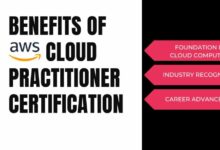

What Is the AWS Certified Cloud Practitioner Certification?

The AWS Certified Cloud Practitioner is an entry-level credential offered by Amazon Web Services (AWS), designed for individuals who want to demonstrate a solid understanding of the AWS Cloud. It’s the first step in the AWS certification ladder and ideal for those new to cloud computing or professionals from non-technical backgrounds looking to validate their cloud knowledge.
Who Should Pursue This Certification?
This certification isn’t just for developers or system administrators. It’s perfect for sales professionals, project managers, finance analysts, and even executives who need to make informed decisions about cloud adoption. If you interact with cloud services in any capacity, this credential helps you speak the language of the cloud fluently.
- IT support staff transitioning to cloud roles
- Business analysts evaluating cloud costs
- Students exploring cloud career paths
- Managers overseeing cloud-based projects
According to AWS, the Cloud Practitioner exam validates an individual’s ability to define core AWS services, understand the AWS shared responsibility model, and grasp basic security and compliance aspects. It’s not about deep technical implementation but rather about breadth of knowledge.
Prerequisites and Exam Requirements
One of the biggest advantages of the AWS Certified Cloud Practitioner is that there are no formal prerequisites. You don’t need prior AWS experience, although having six months of exposure to AWS Cloud—whether through hands-on experience, training, or self-study—is highly recommended.
The exam, known as CLF-C02 (as of 2023), consists of 65 multiple-choice and multiple-response questions, with a time limit of 90 minutes. The passing score is 700 out of 1000, and the exam fee is $100 USD. You can take it at a Pearson VUE test center or online via proctored remote delivery.
For more information on exam details, visit the official AWS Certified Cloud Practitioner page.
Why the AWS Certified Cloud Practitioner Matters in 2025
In today’s digital-first economy, cloud literacy is no longer optional—it’s essential. The AWS Certified Cloud Practitioner certification has evolved from being a nice-to-have to a career accelerator, especially as organizations continue migrating workloads to the cloud at an unprecedented pace.
Industry Demand and Job Market Trends
Recent data from job platforms like LinkedIn and Indeed show a 35% year-over-year increase in job postings that mention AWS Cloud Practitioner certification as a preferred or required qualification. Roles such as Cloud Sales Engineer, Technical Account Manager, and Cloud Solutions Analyst often list this credential as a differentiator.
Even non-technical roles in procurement, finance, and compliance now value cloud certification because it demonstrates a candidate’s ability to understand cloud cost models, service tiers, and risk management frameworks.
“Cloud skills are the new literacy. The AWS Certified Cloud Practitioner is the ABCs of that alphabet.” — Sarah Johnson, Cloud Adoption Strategist at TechForward Inc.
Recognition by Employers and Partners
Major enterprises and AWS Partners actively encourage their employees to earn the AWS Certified Cloud Practitioner credential. Companies like Deloitte, Accenture, and Infosys use it as part of their internal training programs to ensure cross-functional teams have a common understanding of AWS fundamentals.
AWS itself recognizes certified individuals through its Partner Solutions Professional (PSP) program, which boosts visibility for certified professionals working in AWS partner organizations.
7 Key Benefits of Becoming an AWS Certified Cloud Practitioner
Earning the AWS Certified Cloud Practitioner certification offers tangible and intangible benefits that can shape your career trajectory. Let’s dive into the seven most impactful advantages.
1. Validates Foundational Cloud Knowledge
This certification proves you understand the core concepts of cloud computing, including on-demand delivery, elasticity, scalability, and pay-as-you-go pricing. It confirms your ability to explain how AWS compares to traditional on-premises infrastructure.
You’ll learn to differentiate between Infrastructure as a Service (IaaS), Platform as a Service (PaaS), and Software as a Service (SaaS), and understand how AWS fits into each model. This foundational knowledge is critical when discussing cloud migration strategies with stakeholders.
2. Enhances Career Opportunities
Whether you’re aiming for a role in cloud sales, project management, or technical support, this certification opens doors. Recruiters often filter resumes by certifications, and having ‘AWS Certified’ on your profile increases your chances of getting noticed.
LinkedIn data shows that professionals with AWS certifications receive up to 40% more profile views and 30% more connection requests from recruiters compared to non-certified peers.
3. Builds Confidence in Cloud Discussions
One of the less-talked-about benefits is the confidence boost. After studying for and passing the exam, you’ll feel more comfortable participating in cloud-related meetings, asking informed questions, and contributing to strategy discussions.
For non-technical professionals, this means being able to engage with engineering teams without feeling out of your depth. For technical staff, it’s a solid foundation before pursuing more advanced certifications like AWS Solutions Architect or DevOps Engineer.
Core Domains Covered in the AWS Certified Cloud Practitioner Exam
The CLF-C02 exam is structured around four main domains, each contributing a specific percentage to your final score. Understanding these domains is crucial for effective preparation.
Domain 1: Cloud Concepts (24%)
This section tests your understanding of fundamental cloud principles. You’ll need to explain the benefits of cloud computing, such as high availability, fault tolerance, and global reach. You should also be able to compare cloud models (public, private, hybrid) and deployment types.
- Define the AWS Cloud and its value proposition
- Understand the differences between scalability and elasticity
- Explain the total cost of ownership (TCO) and how cloud reduces capital expenditure
A strong grasp of economic advantages—like reduced need for physical data centers and lower maintenance costs—is essential here.
Domain 2: Security and Compliance (26%)
Security is a top concern for organizations moving to the cloud, and this domain ensures you understand AWS’s approach. You’ll learn about the Shared Responsibility Model, which defines what AWS manages (security *of* the cloud) versus what customers manage (security *in* the cloud).
Key topics include:
- Identity and Access Management (IAM) basics
- Data encryption at rest and in transit
- Compliance programs like GDPR, HIPAA, and SOC
- Availability of AWS Artifact for compliance reports
For deeper insights, refer to the AWS Security Resources page.
Domain 3: Technology (34%)
This is the largest domain and covers AWS services and their use cases. You don’t need to know how to configure them, but you must understand what they do and when to use them.
Key services include:
- Amazon EC2 (Elastic Compute Cloud) for virtual servers
- Amazon S3 (Simple Storage Service) for object storage
- Amazon VPC (Virtual Private Cloud) for network isolation
- Amazon RDS (Relational Database Service) for managed databases
- AWS Lambda for serverless computing
You should also understand global infrastructure components like Regions, Availability Zones, and Edge Locations, and how they contribute to high availability and low latency.
Domain 4: Billing and Pricing (16%)
This domain focuses on cost management and financial literacy in the cloud. You’ll learn about the AWS pricing model, including pay-as-you-go, reserved instances, and savings plans.
Important tools to know:
- AWS Pricing Calculator for estimating costs
- AWS Cost Explorer for analyzing spending trends
- AWS Budgets for setting cost and usage alerts
- Consolidated Billing for managing multiple accounts
Understanding the AWS Free Tier is also crucial, as it allows new users to explore services at no cost for 12 months.
How to Prepare for the AWS Certified Cloud Practitioner Exam
Success on the exam doesn’t require months of study, but a structured approach significantly increases your chances of passing on the first try.
Step 1: Leverage Free AWS Training Resources
AWS offers a wealth of free learning materials through AWS Training and Certification. The ‘Cloud Practitioner Essentials’ course is a must-take—it’s a free, self-paced, digital training that covers all exam domains in about six hours.
Additional resources include:
- AWS Skill Builder (formerly Digital Training)
- Exam Readiness courses
- Hands-on labs via Qwiklabs (some free, some paid)
Step 2: Use Practice Exams and Study Guides
Practice tests are invaluable for gauging your readiness. Platforms like Whizlabs, Tutorials Dojo, and A Cloud Guru offer realistic mock exams that simulate the actual test environment.
Look for practice questions that explain why an answer is correct or incorrect—this reinforces learning. Avoid brain dumps; they’re unethical, often inaccurate, and violate AWS’s exam policies.
Step 3: Gain Hands-On Experience
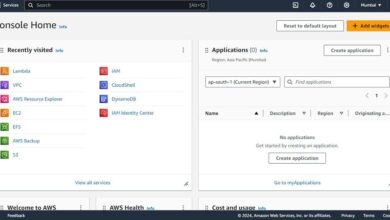
While the exam is concept-based, real-world exposure helps solidify your understanding. Create a free AWS account and explore the Management Console. Launch a simple EC2 instance, upload a file to S3, or set up a budget.
Even basic interactions with the console make abstract concepts tangible. Just remember to monitor your usage to avoid unexpected charges—stick to Free Tier eligible services.
Common Misconceptions About the AWS Certified Cloud Practitioner
Despite its popularity, several myths persist about this certification. Let’s debunk the most common ones.
Myth 1: It’s Only for Technical People
False. The AWS Certified Cloud Practitioner is explicitly designed for a broad audience. AWS states that the exam is for individuals who “can effectively demonstrate an overall understanding of the AWS Cloud, independent of specific technical roles.”
Business analysts, finance managers, and sales engineers have all earned this certification to improve their cloud fluency and collaboration with technical teams.
Myth 2: It’s Too Easy to Be Valuable
While it’s an entry-level exam, calling it “too easy” undermines its purpose. The value isn’t in the difficulty but in the foundational knowledge it validates. Think of it like a driver’s license—it doesn’t make you a race car driver, but it proves you understand the rules of the road.
Employers value it because it shows initiative, commitment to learning, and a baseline understanding of cloud economics and security.
Myth 3: It Doesn’t Help with Job Placement
On the contrary, many hiring managers use certifications as a screening tool. In competitive job markets, having the AWS Certified Cloud Practitioner on your resume can be the difference between getting an interview or being overlooked.
Case in point: A 2024 survey by Global Knowledge found that 68% of IT managers consider cloud certifications important when evaluating entry-level candidates.
What Comes After the AWS Certified Cloud Practitioner?
Earning this certification is just the beginning. It lays the groundwork for more advanced AWS credentials and specialized career paths.
Pathway to Associate-Level Certifications
Most professionals who start with the Cloud Practitioner move on to one of the three AWS Associate certifications:
- AWS Certified Solutions Architect – Associate
- AWS Certified Developer – Associate
- AWS Certified SysOps Administrator – Associate
These require deeper technical knowledge and hands-on experience but are much more manageable after building a strong foundation with the Cloud Practitioner.
Specialized and Professional-Level Paths
After Associate level, you can pursue Professional certifications like AWS Certified Solutions Architect – Professional or specialty certs in areas like Security, Machine Learning, or Advanced Networking.
Each step increases your market value. According to the 2024 Global Knowledge IT Skills and Salary Report, AWS-certified professionals earn 25% more on average than non-certified peers.
Building a Cloud Career Portfolio
Beyond certifications, consider building a portfolio of cloud projects. Document your learning journey, share insights on LinkedIn, or contribute to open-source cloud templates on GitHub.
Employers increasingly look for well-rounded candidates who combine certification with communication skills and real-world application.
What is the AWS Certified Cloud Practitioner exam?
The AWS Certified Cloud Practitioner exam (CLF-C02) is an entry-level certification that validates foundational knowledge of AWS Cloud services, including core concepts, security, technology, and billing. It’s designed for both technical and non-technical professionals.
How long does it take to prepare for the AWS Certified Cloud Practitioner?
Most candidates spend 4 to 6 weeks preparing, dedicating 5–10 hours per week. If you have prior cloud experience, you might be ready in as little as 2–3 weeks using free AWS training and practice exams.
Is the AWS Certified Cloud Practitioner worth it?
Yes. It enhances your resume, improves cloud literacy, and opens doors to further certifications and career opportunities. It’s especially valuable for non-technical roles needing cloud understanding.
Can I take the AWS Certified Cloud Practitioner exam online?
Yes. The exam can be taken online via Pearson VUE’s remote proctoring service or at a physical test center. You’ll need a quiet environment, a webcam, and a stable internet connection.
What is the passing score for the AWS Certified Cloud Practitioner?
The passing score is 700 out of 1000. AWS uses a scaled scoring system, so the number of correct answers needed may vary slightly between exam versions.
Obtaining the AWS Certified Cloud Practitioner certification is a smart, strategic move for anyone looking to thrive in the cloud era. It’s not just a credential—it’s a career catalyst that validates your understanding of the AWS ecosystem, boosts your credibility, and sets you on a path toward advanced cloud expertise. Whether you’re just starting out or transitioning from another field, this certification provides the knowledge, confidence, and recognition needed to succeed in today’s technology-driven world.
Further Reading: