Looking to scale your cloud operations fast? AWS Marketplace is your ultimate gateway to ready-to-use software, services, and solutions—curated for seamless integration and rapid deployment. Let’s dive into how it can transform your business.




What Is AWS Marketplace and Why It Matters

AWS Marketplace is a digital catalog that enables customers to find, buy, and deploy third-party software that runs on Amazon Web Services (AWS). It’s more than just a store—it’s a powerful ecosystem connecting software vendors, service providers, and AWS users in one centralized hub. Whether you’re a startup or an enterprise, AWS Marketplace simplifies access to thousands of pre-configured solutions.
A Clear Definition of AWS Marketplace
AWS Marketplace, officially launched in 2012, is a self-service platform where independent software vendors (ISVs) can list their applications, which customers can then purchase and deploy directly on AWS infrastructure. From security tools to machine learning platforms, the marketplace spans nearly every tech category imaginable.
- It supports various pricing models: hourly, annual, or perpetual licenses.
- Software can be deployed via Amazon EC2, containers, SaaS, or AWS Lambda.
- All products undergo AWS’s technical validation for compatibility and security.
How AWS Marketplace Fits Into the Cloud Ecosystem
In today’s fast-moving digital landscape, businesses can’t afford to build everything from scratch. AWS Marketplace fills this gap by offering plug-and-play software that integrates natively with AWS services like S3, IAM, and CloudWatch. This reduces deployment time from weeks to minutes.
“AWS Marketplace enables innovation at scale by removing friction between software discovery and deployment.” — AWS Official Blog
By leveraging AWS’s global infrastructure, vendors gain instant access to millions of AWS customers, while buyers benefit from trusted, audited solutions.
Key Benefits of Using AWS Marketplace
The value proposition of AWS Marketplace goes beyond convenience. It delivers tangible business outcomes, from cost savings to faster time-to-market. Let’s explore the most impactful benefits.
Accelerated Deployment and Time-to-Value
One of the biggest advantages of AWS Marketplace is speed. Instead of going through lengthy procurement cycles, IT teams can launch pre-configured software with just a few clicks. For example, deploying a firewall from Palo Alto or a data warehouse from Snowflake takes under 10 minutes.
- Pre-built AMIs (Amazon Machine Images) eliminate setup hassles.
- Integration with AWS CloudFormation allows automated deployment.
- No need for separate vendor contracts or invoicing.
Cost Transparency and Predictable Billing
All purchases made through AWS Marketplace appear on your regular AWS bill. This unified billing model simplifies accounting and improves cost visibility. You can track software spend alongside compute, storage, and network usage—all in one place.
Additionally, AWS provides cost allocation tags, enabling finance teams to attribute software expenses to specific departments, projects, or environments.
Trusted and Secure Software Ecosystem
Security is a top concern when adopting third-party software. AWS Marketplace addresses this by requiring vendors to meet strict security and compliance standards. Every product is reviewed for AWS Well-Architected Framework alignment, and many come with certifications like SOC 2, HIPAA, and GDPR compliance.
Vendors must also sign the AWS Partner Agreement, ensuring accountability and support quality.
How AWS Marketplace Works: A Step-by-Step Guide
Understanding the mechanics of AWS Marketplace is essential for both buyers and sellers. The platform operates on a streamlined workflow that ensures ease of use and scalability.
For Buyers: Finding and Deploying Software
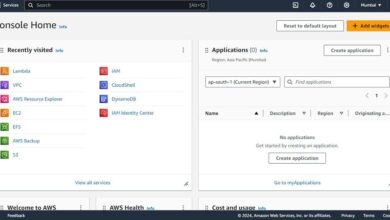
Customers can browse AWS Marketplace through the AWS Management Console or the standalone AWS Marketplace website. Filters allow you to search by category, pricing model, AWS service integration, and customer ratings.
- Select a product and review its technical specs, pricing, and support terms.
- Click ‘Continue to Subscribe’ to accept the End User License Agreement (EULA).
- Launch the software directly into your AWS environment using EC2, Kubernetes, or SaaS options.
Once deployed, usage is monitored through AWS Cost Explorer and CloudWatch.
For Sellers: Listing Your Software
Software vendors must first enroll in the AWS Partner Network (APN) and complete the AWS Marketplace Seller Onboarding process. This includes:
- Providing technical documentation and deployment templates.
- Setting up pricing models and billing preferences.
- Submitting for AWS technical validation and security review.
After approval, vendors gain access to AWS’s global customer base and co-marketing opportunities.
AWS Marketplace vs. Traditional Software Procurement
The contrast between AWS Marketplace and traditional software buying is stark. Legacy procurement involves RFPs, legal negotiations, and long deployment timelines. AWS Marketplace flips this model on its head.
Speed and Simplicity
Traditional software acquisition can take weeks or months. AWS Marketplace reduces this to minutes. There’s no need for purchase orders, vendor onboarding, or manual license key entry. Everything is automated through AWS’s infrastructure.
“We reduced our software deployment cycle from 45 days to under 2 hours using AWS Marketplace.” — CTO, Mid-Sized SaaS Company
Reduced Administrative Overhead
With traditional models, IT teams juggle multiple vendor portals, invoices, and support channels. AWS Marketplace consolidates all of this into a single AWS account. Support requests can be routed through AWS or directly to the vendor, depending on the agreement.
Flexible Pricing and Consumption Models
Unlike traditional perpetual licenses, AWS Marketplace supports usage-based pricing. You pay only for what you use—hourly, monthly, or annually. This aligns costs with actual business needs and supports agile scaling.
- Hourly billing for short-term projects.
- Annual subscriptions for stable workloads.
- SaaS offerings with pay-per-user models.
Top Use Cases for AWS Marketplace
AWS Marketplace isn’t just for tech companies. Organizations across industries leverage it for critical operations. Here are some of the most common and impactful use cases.
DevOps and CI/CD Tooling
Development teams use AWS Marketplace to deploy tools like Jenkins, GitLab, and SonarQube in minutes. These tools integrate seamlessly with AWS CodePipeline and AWS CodeBuild, enabling automated testing and deployment.
- Pre-configured DevOps stacks reduce setup errors.
- Easy integration with IAM for secure access control.
- Scalable infrastructure for high-load CI/CD pipelines.
Cybersecurity and Compliance
Security is a top priority, and AWS Marketplace offers leading solutions like CrowdStrike, Trend Micro, and Wiz. These tools provide real-time threat detection, vulnerability scanning, and compliance monitoring.
Many security products are available as SaaS or agent-based deployments, ensuring flexibility across hybrid and multi-cloud environments.
Data Analytics and AI/ML Solutions
From Apache Spark to Databricks and H2O.ai, AWS Marketplace hosts a wide array of data science platforms. These tools can be launched directly into Amazon EMR or SageMaker environments, accelerating data processing and model training.
- Pre-trained ML models available for NLP, computer vision, and fraud detection.
- Integration with Amazon Redshift and Athena for seamless querying.
- Usage-based pricing makes experimentation cost-effective.
AWS Marketplace for Vendors: How to Monetize Your Software
For software companies, AWS Marketplace is a powerful distribution channel. It offers unparalleled reach, reduced sales friction, and predictable revenue streams.
Revenue Models and Pricing Strategies
Vendors can choose from several pricing models:
- Hourly/Per-second billing: Ideal for compute-intensive applications.
- Annual subscriptions: Best for enterprise customers with stable usage.
- Free trials and bring-your-own-license (BYOL): Attract new users with risk-free testing.
- SaaS contracts: For cloud-native applications with user-based pricing.
AWS takes a revenue share (typically 12-20%), but handles billing, tax collection, and payment processing—freeing vendors to focus on product and support.
Marketing and Visibility Opportunities
AWS Marketplace isn’t just a store—it’s a marketing engine. Vendors can:
- Appear in AWS-recommended lists and category rankings.
- Participate in AWS webinars, events, and co-branded campaigns.
- Get featured in AWS customer success stories.
High-performing vendors often see a 3x increase in lead generation within the first six months of listing.
Technical Requirements and Compliance
To ensure quality, AWS enforces strict technical standards. Vendors must provide:
- CloudFormation templates or Terraform scripts for easy deployment.
- Monitoring integration with CloudWatch and AWS Health.
- Support for AWS IAM roles and KMS encryption.
Additionally, all software must comply with AWS’s security policies and undergo regular vulnerability scans.
Best Practices for Maximizing AWS Marketplace Success
Whether you’re a buyer or seller, following best practices ensures you get the most out of AWS Marketplace.
For Buyers: Optimizing Software Spend
With so many options, it’s easy to overspend. Use these strategies to stay in control:
- Set up AWS Budgets to track software costs.
- Use AWS Cost Explorer to analyze usage trends.
- Leverage Reserved Instances or Savings Plans for long-term commitments.
- Regularly audit inactive subscriptions and cancel unused ones.
For Sellers: Driving Adoption and Retention
Success on AWS Marketplace isn’t just about listing a product—it’s about engagement. Top vendors focus on:
- Providing detailed documentation and quick-start guides.
- Offering responsive, 24/7 customer support.
- Gathering and showcasing customer reviews.
- Updating software regularly to meet AWS’s evolving standards.
Integration with AWS Ecosystem Tools
Maximize value by integrating AWS Marketplace software with core AWS services:
- Use AWS Systems Manager to manage deployed instances at scale.
- Monitor performance with CloudWatch and AWS X-Ray.
- Secure access using AWS IAM and SSO.
- Automate deployments with AWS CodePipeline and CloudFormation.
Future Trends Shaping AWS Marketplace
AWS Marketplace is evolving rapidly. New features and market demands are reshaping how software is bought and sold in the cloud era.
Growth of SaaS and Subscription Models
SaaS offerings are now the fastest-growing segment in AWS Marketplace. Customers prefer subscription-based, managed services that require minimal operational overhead. AWS is investing heavily in SaaS enablement tools like AWS SaaS Boost and AWS Marketplace Catalog API.
AI and Machine Learning Expansion
As AI adoption accelerates, AWS Marketplace is becoming a hub for pre-built ML models and AI-powered applications. From chatbots to predictive analytics, vendors are packaging complex AI workflows into easy-to-deploy solutions.
For example, Hugging Face on AWS Marketplace allows developers to deploy state-of-the-art NLP models in minutes.
Global Expansion and Localization
AWS is expanding Marketplace availability to new regions, including Africa, the Middle East, and Southeast Asia. This includes localized pricing, language support, and compliance with regional data laws like PDPA and LGPD.
What is AWS Marketplace?
AWS Marketplace is a digital catalog that makes it easy to find, buy, and deploy third-party software that runs on AWS. It includes thousands of products across categories like security, AI, DevOps, and data analytics.
Is AWS Marketplace free to use?
Yes, browsing and subscribing to software on AWS Marketplace is free. You only pay for the software and AWS resources you consume. There are no additional fees for using the platform.
How do vendors get paid on AWS Marketplace?
AWS handles all billing and payments. Vendors receive monthly payouts (minus AWS’s revenue share) directly to their bank accounts. AWS manages tax collection, invoicing, and customer support for billing issues.
Can I try software before buying on AWS Marketplace?
Yes, many vendors offer free trials or free tier versions of their software. You can test the product risk-free before committing to a paid plan.
How does AWS Marketplace improve security?
All software listed on AWS Marketplace undergoes technical validation and security reviews. Products must comply with AWS security standards and often come with certifications like SOC 2, HIPAA, and ISO 27001.
AWS Marketplace is more than just a software store—it’s a strategic enabler for cloud innovation. For buyers, it offers speed, security, and cost efficiency. For vendors, it provides global reach and simplified monetization. As cloud adoption grows, AWS Marketplace will continue to play a pivotal role in shaping how software is delivered and consumed. Whether you’re launching a startup or scaling an enterprise, leveraging AWS Marketplace can accelerate your journey to the cloud.
Recommended for you 👇
Further Reading: